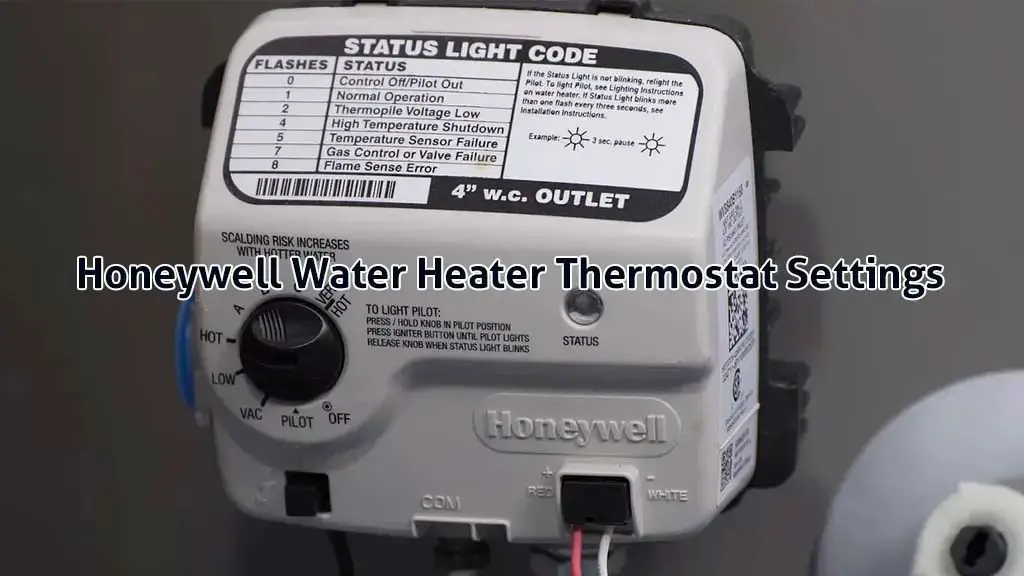
Trying to understand Honeywell water heater thermostat settings can feel more confusing than it should be. Instead of showing exact temperatures, Honeywell uses labels like Hot, A, B, C, and Very Hot. Because of that, most homeowners end up guessing what those settings actually mean.
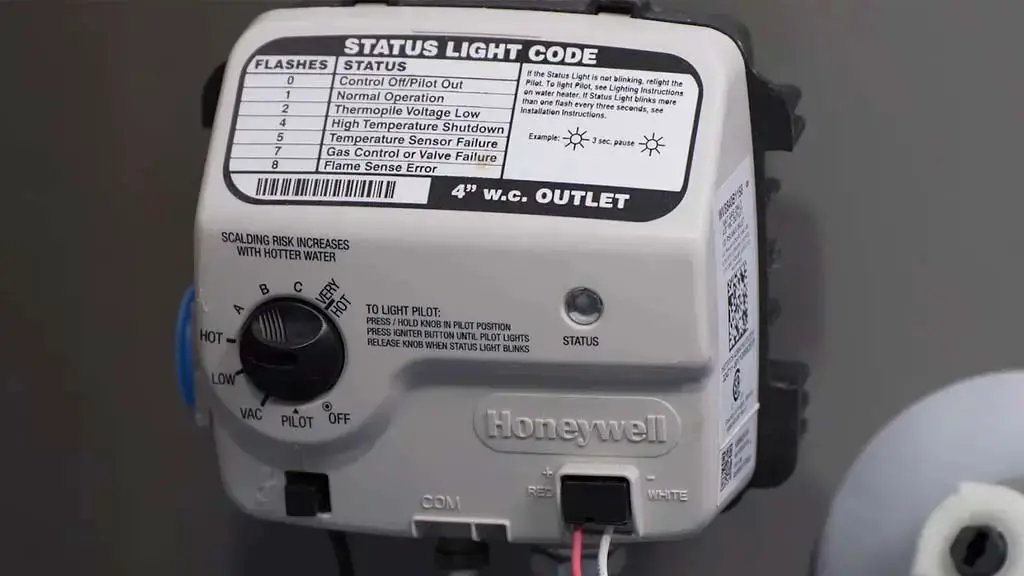
In this guide, I’ll explain what each setting does and the approximate temperature behind it. I’ll also show you how to adjust the thermostat properly and test your water temperature at home.
On top of that, you’ll learn which settings are safest for daily use and why temperatures that are too high or too low can both cause problems. So, let’s dive in!
Honeywell Water Heater Thermostat Settings [Explained A-Z]
Navigating the different Honeywell water heater temperature settings can feel extremely confusing at first. That’s because Honeywell never clearly tells you the exact temperature for each option.
Instead of using numbers, they simply give you five main settings: Hot, A, B, C, and Very Hot. There is also a low setting, but that is mostly meant for vacation mode or when you barely need hot water, so most homeowners can ignore it.
So, before moving on to anything else, it’s important that you know what those temperature settings mean. Only then can you go ahead and adjust them. Otherwise, you won’t know what you’re doing. Here’s the general temperature range for each setting:
- Hot = 120°F
- A = 130°F
- B = 140°F
- C = 150°F
- Very Hot = 160°F
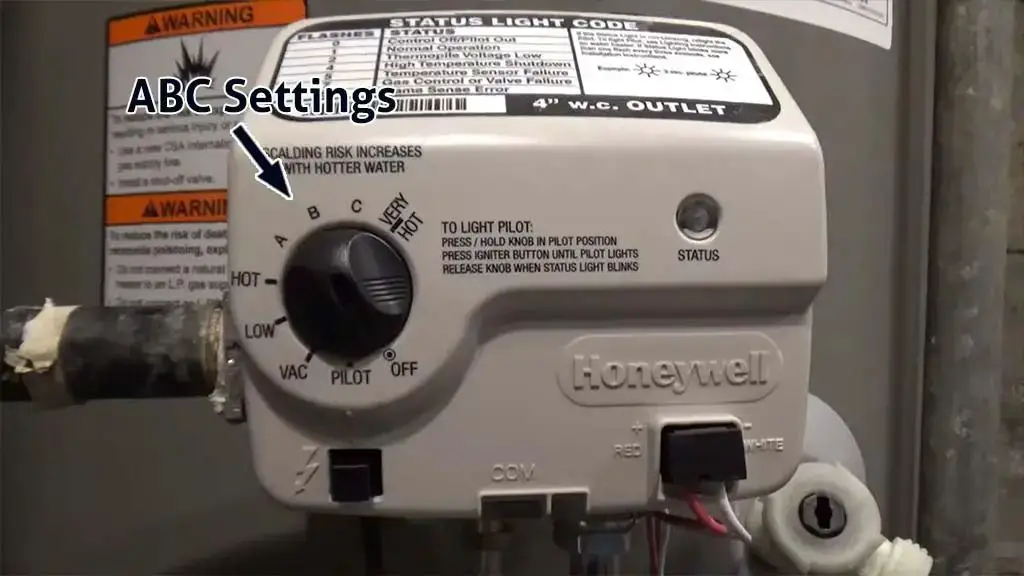
These are not officially printed by Honeywell, but they are widely accepted estimates and line up pretty closely with real-world testing.
For me, I tested the settings myself, and the numbers were surprisingly accurate. When I tested Setting A, the water temperature stayed around 130°F and sometimes climbed close to 140°F after running for a while.
So, while your exact temperature can vary slightly, these estimates are still a very good ballpark figure to follow. As for getting completely accurate figures, you can do the test yourself.
Why does Honeywell Does Not Clearly State The Temperature?
A lot of people wonder why Honeywell doesn’t simply print the temperatures directly on the dial. Instead of using the Honeywell water heater thermostat settings ABC, they can just mention the exact temperatures. Right?
Honestly, it would make things much easier. But there are actually a few reasons why manufacturers avoid doing that.
1. Water Loses Heat Before It Reaches Your Faucet
One big reason is that hot water naturally cools down as it travels through your plumbing system. The water inside the tank may be at one temperature, but by the time it reaches your kitchen sink or shower, it can lose a few degrees along the way.
For example, if the thermostat is technically heating water to around 130°F, the water coming out of your faucet might only measure 125°F or even lower, depending on some factors. Those can be your pipe length, insulation, and how far the faucet is from the heater.
If Honeywell printed exact temperatures on the dial, many people would test the water at the sink and assume the thermostat was inaccurate. To avoid those complaints, they keep the settings more general instead of promising exact numbers.
2. Every Water Heater Tank Works Differently
Another reason is that the thermostat itself only measures the temperature in one specific part of the tank. Different water heater brands place sensors in different spots, and tank designs can vary a lot.
Because of this, the same Honeywell thermostat setting might produce slightly different results on two different water heaters. One tank may run a little hotter while another runs slightly cooler, even if both are set to “A” or “B.”
Manufacturers know this variation exists, so they avoid locking themselves into exact temperature labels that may not be perfectly accurate across every model.
3. Water Temperature Changes Throughout The Day
Hot water temperatures are not perfectly constant all the time. Factors like incoming groundwater temperature, how much hot water your household uses, and how long the heater has been running can all affect the final temperature.
For example, during colder months, the incoming water supply is naturally colder, so your heater has to work harder. In some situations, the water may come out slightly cooler than expected.
Other times, especially after the tank has been heating for a while without much use, the water may test slightly hotter. That is why these settings are better viewed as estimated temperature ranges instead of precise fixed numbers.
Overall, even though Honeywell does not clearly label the exact temperatures, the common estimates are still very close in real-world use.
If you want around 120°F water, the hot setting is usually the best place to start. From there, you can make small adjustments depending on how hot the water feels in your home.
How to Adjust Honeywell Water Heater Temperature Settings
Now that you have a good grasp of the Honeywell water heater thermostat settings A, B, C, and more, let’s talk about how you can adjust the temperature using them. Now the thermostats have a dial in them, and you can switch the position of the dial to change the temperature.
It’s as simple as that. When you rotate the dial clockwise (↻), you can increase the temperature of the hot water. And when you want to decrease the temperature, you can just rotate the dial counterclockwise (↺).
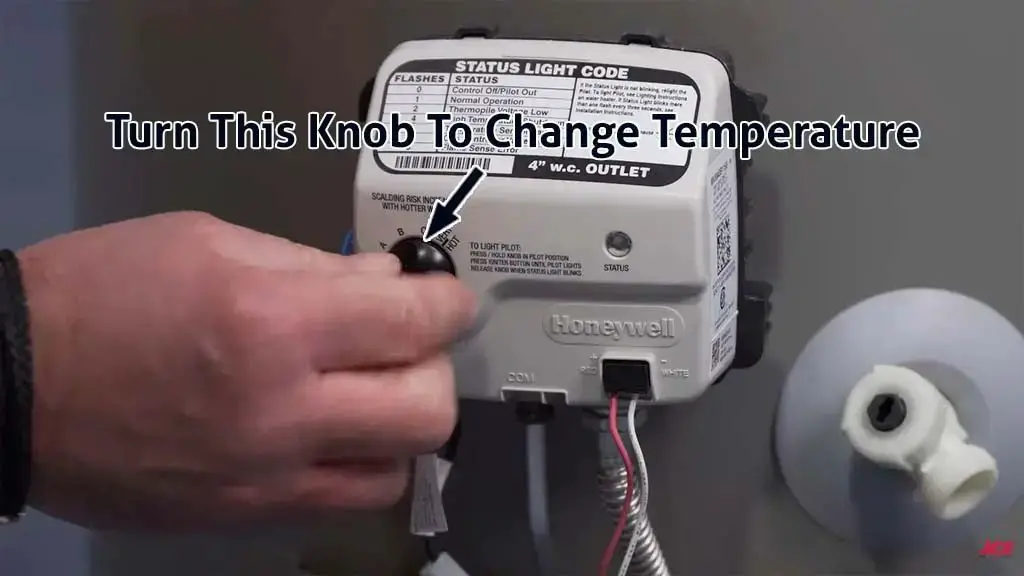
One important thing to know is that the temperature does not change instantly. After adjusting the thermostat, you usually need to wait at least a couple of hours before the new temperature fully kicks in.
In some homes, it can even take longer depending on the size of the tank and how much hot water your household uses throughout the day. A lot of people turn the dial once, immediately test the water, and assume nothing changed. Water heaters do not work that fast.
How To Test The Water Temperature Properly
The easiest way to check your water temperature is with a basic thermometer. Even a simple kitchen or meat thermometer works fine.
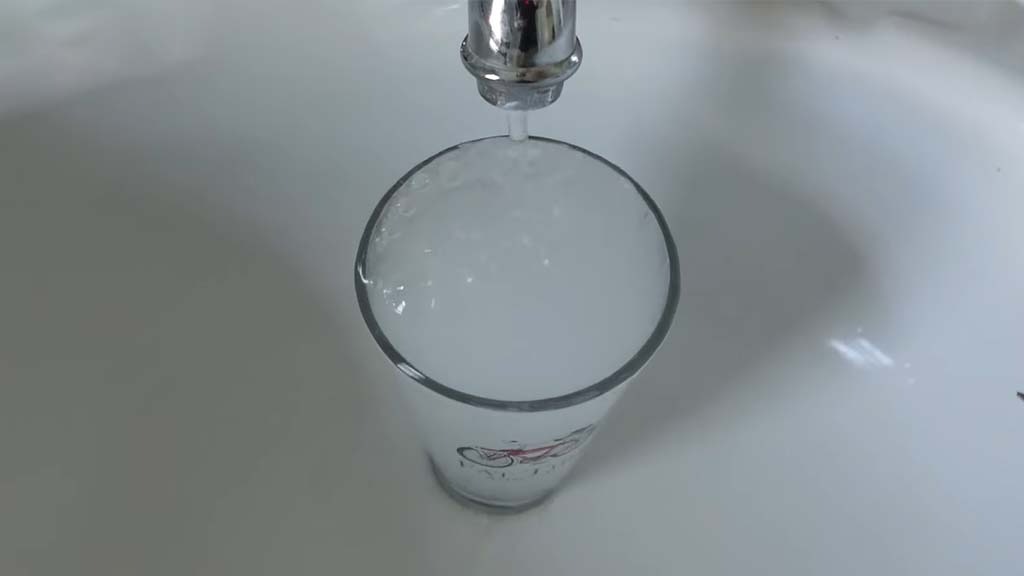
For the most accurate results, run hot water from the faucet farthest from your water heater. Let the water run for a bit so the older, cooled-down water clears out from the pipes. Then, fill a cup or glass with hot water and place the thermometer inside. Here is an example of a water temperature I tested:
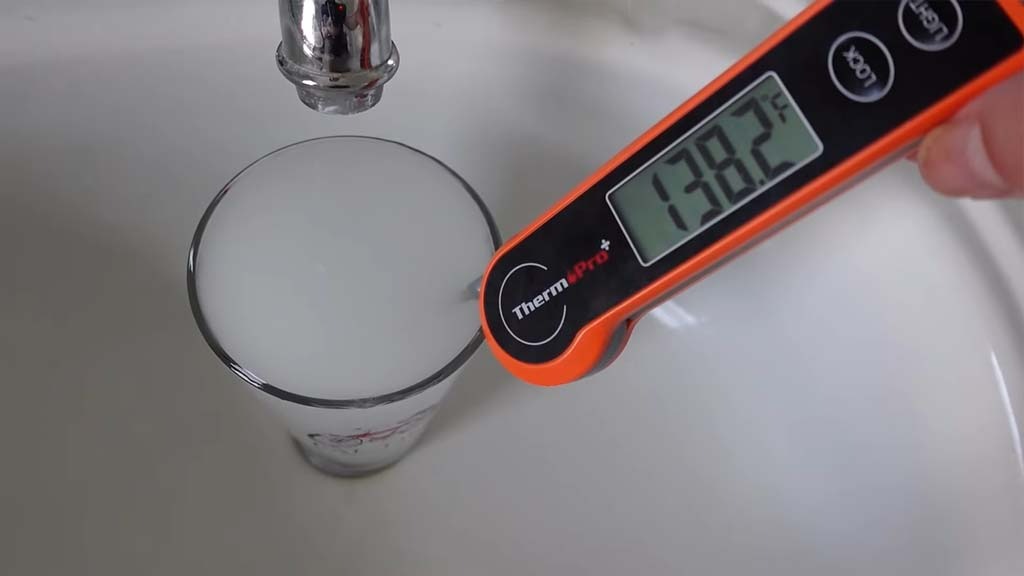
When this was tested on a water heater set near the “C” range, the water temperature reached around 140°F, which is extremely hot. Honestly, 140°F is hotter than most people realize. At that temperature, hot water can cause burns surprisingly quickly.
Which Honeywell Hot Water Heater Thermostat Settings Are correct?
When it comes to water heater temperature, there is no single “perfect” setting that works for everyone. Some people like extremely hot showers, while others prefer slightly warmer water that feels more comfortable. It really comes down to personal preference and what works best for your household.
However, when it comes to safety, efficiency, and general recommendations, most experts agree that your hot water should be around 120°F. According to recommendations from the US Department of Energy, 120°F is generally considered the ideal water heater temperature for most homes.
At around 120°F, the water is still hot enough for showers, dishes, and cleaning, but the risk of accidental burns is much lower compared to higher settings. This is usually considered the ideal balance between comfort and safety.
In some areas, local plumbing or building codes may also recommend staying close to this temperature range. So if you are ever troubleshooting your water heater or checking whether it is working properly, 120°F is normally the target temperature you want to aim for.
Once you start getting into the 140°F range, things become more dangerous, especially for children or elderly family members. Water around 140°F can cause burns in only a few seconds.
That is why many homeowners end up lowering the setting after testing their actual water temperature. At the same time, there is another side to the discussion.
Some experts warn that setting the temperature too low can increase the risk of bacterial growth inside the tank. So while lowering the temperature may reduce burn risks, going too low is not always the best idea either.
Another reason 120°F is commonly recommended is energy savings. The hotter you keep your water heater, the harder it has to work throughout the day to maintain those temperatures.
Higher settings usually mean higher energy usage, which can slowly increase your utility bills over time. Keeping the thermostat closer to the “Hot” setting helps reduce unnecessary energy consumption without sacrificing normal household comfort.
That is why 120°F is usually viewed as the “safe middle ground” for most households. When it comes to changing the Honeywell water heater settings, remember this one simple rule:
Small Adjustments Work Best
One mistake people make is turning the thermostat too far all at once. It is usually better to make small adjustments and then test the water again later.
For example, if your water feels too hot at C, move it down to B and test it again after a few hours. If it still feels hotter than you want, lower it slightly more. This slow adjustment method is much better than constantly swinging between settings.
Also, keep in mind that this process is specifically for gas water heaters. Electric water heaters are adjusted differently and usually require removing access panels on the front of the unit.
Still, for Honeywell gas water heater thermostats, the adjustment process is honestly very simple once you know where the dial is and what the settings actually mean.
Which Honeywell Water Heater Thermostat Temperature Settings Are Too High?
One thing homeowners seriously need to understand is how dangerous extremely hot water can become. Most people assume hot water burns only happen with boiling water, but that is not true at all.
Once your water heater starts getting into the 140°F to 160°F range, the risk of burns increases very quickly. So, changing it to the settings “B” or above means you’re taking risks at that point. To demonstrate this, the thermostat was temporarily turned all the way to the maximum setting.
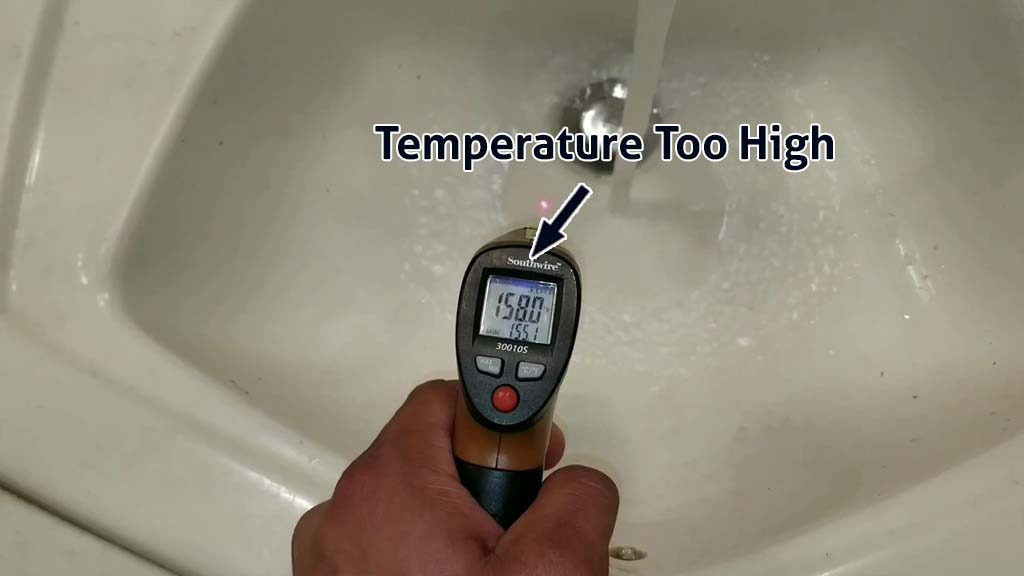
After testing the water again, the temperature climbed to around 158°F. That is dangerously hot. At temperatures like that, second-degree or even third-degree burns can happen surprisingly fast, especially with longer exposure.
Children are at even greater risk because their skin burns much more quickly than adults. That is why setting your thermostat too high is usually not worth it unless you have a very specific reason for needing extremely hot water.
Why Should Honeywell Thermostat Settings Not Be Too Low?
While not keeping the temperature too high is important, keeping it too low is also not good. Temperatures below 120°F may increase the risk of bacterial growth inside the tank.
Certain harmful bacteria can survive and multiply more easily in lukewarm water, which is one reason manufacturers and safety organizations usually recommend staying around the 120°F mark instead of going far below it.
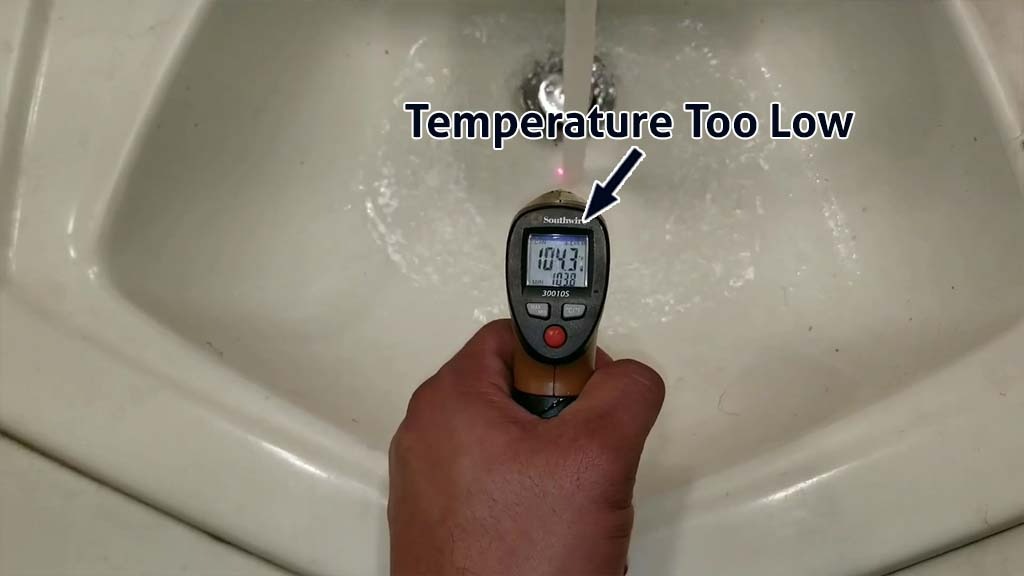
So while some homeowners lower the temperature for extra safety, there is still a balance you want to maintain. You can also increase it slightly to the “A” setting if you prefer slightly hot water, and there aren’t elderly people or children in your household.
Overall, the hot setting on a Honeywell water heater is usually the best starting point for most homes. From there, you can make small adjustments depending on your comfort level while still keeping safety and efficiency in mind.
FAQs
What does the Honeywell hot water heater control vac setting mean?
The “Vacation” setting is designed to keep the water warm enough while using less energy when nobody is home. It does not completely shut the heater off, but it prevents the tank from staying fully heated all day long.
When is it safe to use higher Honeywell hot water tank thermostat settings?
When you’re using older heaters, it might make sense to do it. Because as water heaters age, sediment buildup inside the tank and general wear can make the unit less effective at heating water.
Why is my Honeywell water heater not getting hot enough even on Setting A?
If your water still feels lukewarm on Setting A, sediment buildup inside the tank could be reducing heating efficiency. It can also happen if multiple people are using hot water at the same time or if the heater is simply getting old.
Why does my water temperature change during different seasons?
During winter, incoming groundwater is naturally colder, so your water heater has to work harder to heat it. That is why your water may feel slightly cooler during colder months, even without changing the thermostat settings.
Conclusion
Now you know exactly how the Honeywell water heater thermostat settings work and what each setting actually means. You also learned how to adjust the temperature properly, test your water safely, and choose the best setting for comfort, safety, and efficiency.
At this point, changing your thermostat settings should honestly feel like a cakewalk. Just remember to make small adjustments and give the heater time to respond. And if your thermostat or control valve starts acting up, you can also check out my guide on how to replace a Honeywell gas control valve.