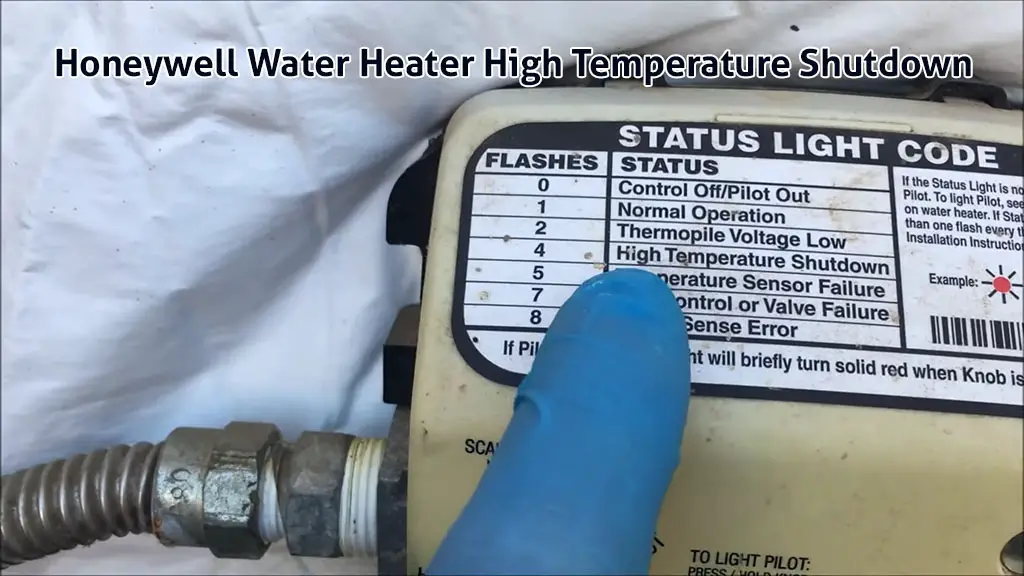
There’s nothing more frustrating than turning on the shower and getting hit with cold water. You check your unit, and the status light is blinking four times. At this point, most people assume something is broken.
But here’s the truth. In most cases, a Honeywell water heater high-temperature shutdown isn’t a failure. It’s a safety lockout that can often be reset in minutes.
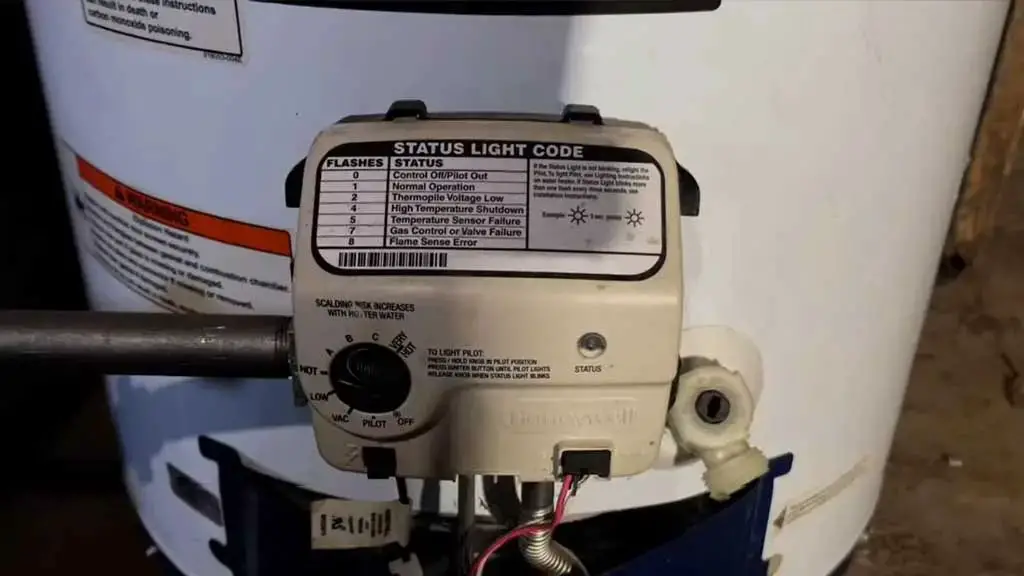
The problem is knowing when it’s a simple reset and when it’s something more serious. Let’s break it down properly.
Honeywell Water Heater High Temperature Shutdown [Fixed]
When your Honeywell gas valve blinks 4 times, it indicates a high-temperature shutdown gas water heater condition. This means the system detected excessive heat and shut itself down to prevent damage. Let’s look at the main reasons behind them one by one:
1. Temporary Control Lockout
Let’s start with the best-case scenario. If you’re lucky, nothing is actually broken. This is just a control lockout. I’ve seen this happen countless times. The heater overheats for a moment—maybe due to a long heating cycle or a slight airflow issue—and then shuts down as it should.
But instead of restarting normally, the control board inside the gas valve locks itself and refuses to fire the burner again. Even though everything else is perfectly fine.
This is the most common reason behind Honeywell water heater high-temperature shutdown situations. You’ll usually notice a few things when this happens:
The pilot will relight without much trouble. The status light comes back on. But the burner just won’t kick in. It keeps blinking four times, and no matter how many times you turn the knob, nothing happens.
At this point, most people assume the gas valve is bad. That’s usually not the case. Before jumping straight ahead and replacing the gas valve, maybe you just need a proper Honeywell high-temperature shutdown reset.
Solution:
Resetting the control valve is the first thing you should always try. That way, you can be sure that you’ve tried the normal things before moving on to replacing the expensive components.
And no, simply turning it off and on won’t cut it. You need to reset the control board properly. Here’s exactly what you do:
- Turn the knob to OFF and leave it there for about 5 to 10 minutes. Let the gas clear out completely.
- Then turn it to PILOT and relight the pilot like you normally would.
- Once the pilot is lit, the real reset begins.
- Turn the knob all the way to “Very Hot” and leave it there for about 10 seconds.
- Then bring it down to “Hot” and wait another 10 seconds.
- After that, move it back to “Pilot” and wait again for 10 seconds.
- Finally, turn it back to “Hot.”
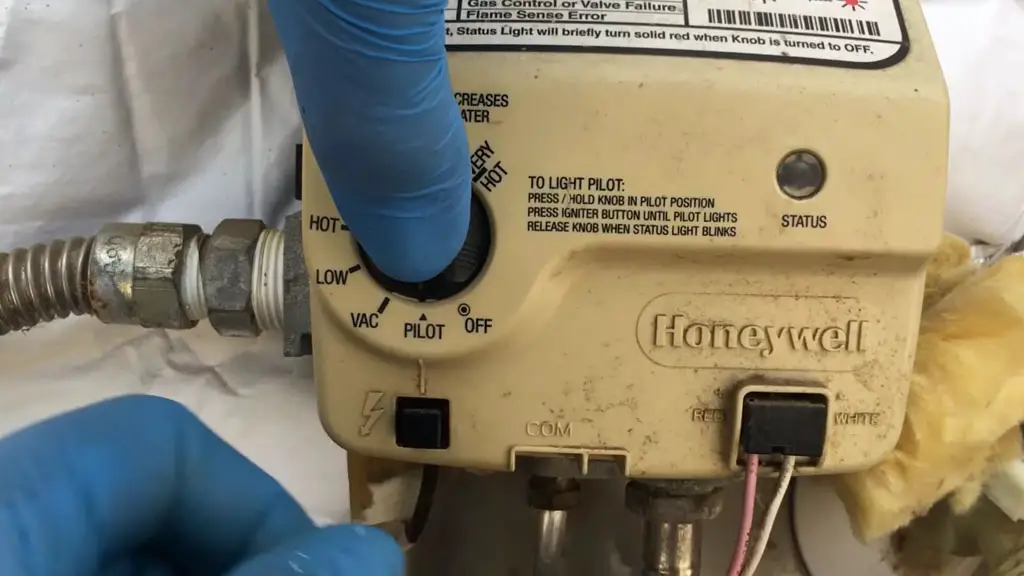
If everything is working properly, you’ll hear the burner ignite almost instantly. That’s your confirmation. You’ve just performed a full Honeywell water heater high-temperature shutdown reset.
This sequence clears the internal lockout and forces the control to restart. Nine times out of ten, this is all it takes.
2. Temperature Set Too High
Now let’s talk about the deeper issues that cause that lockout in the first place. One of the biggest culprits is simply having the temperature set too high. I know it sounds obvious, but you’d be surprised how many people keep their heater at the “Very Hot” or max setting.
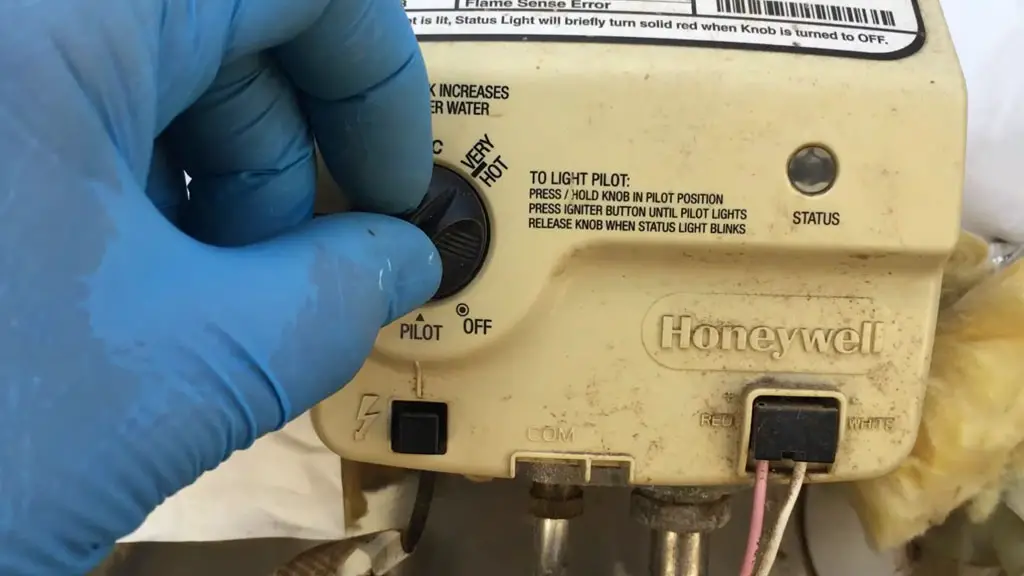
That’s where problems start. When you push the heater to run hotter than necessary, it builds up heat faster than it can safely manage. Eventually, the system trips and shuts itself down.
This ties directly into Honeywell water heater thermostat settings. If this is what’s going on, you’ll usually notice that the heater works fine after a reset, but then the issue comes back again after some time.
Solution:
The fix is actually pretty simple in this case. Start by bringing the temperature down. Set it to “Hot” and leave it there. Not “Very Hot.” Not max. Just “Hot.” That setting is more than enough for normal use and keeps the system within a safe operating range.
Once you’ve done that, don’t wait around. Run the same reset sequence again. The system is already locked out, so lowering the temperature alone won’t fix it. After the reset, let it run normally.
If the temperature setting were the issue, the shutdown wouldn’t come back. And that’s the easiest fix you’ll get in this entire guide.
3. Vent Blockage or Airflow Issues
This is one of those problems that doesn’t look serious at first, but it can shut your entire heater down. And most people don’t even think to check it. Your water heater needs proper airflow to run correctly.
The burner needs oxygen. The exhaust needs a clear path to push heat and gases out. If that airflow gets restricted, heat starts building up inside the unit. And once that heat crosses a certain point, the system shuts itself down.
That’s how you end up with a Honeywell water heater control high-temperature shutdown. This shows up a lot in real-world situations. Some examples are:
Snow is covering the vent outside. Dust builds up over time. Even small debris or insects can get into the vent. I’ve seen cases where everything inside the heater was perfectly fine, but the vent outside was blocked, and that alone caused the shutdown.
You’ll usually notice this kind of pattern. The heater was working fine before. Then suddenly, after a weather change or after sitting unused for a while, it shuts down. You reset it, and it might work again for a bit. Then it shuts down again. That’s your clue.
Solution:
Start by checking the vent outside. Make sure it’s completely clear. No snow, no debris, no blockage of any kind. Then take a quick look around the base of the heater as well. If there’s heavy dust buildup or anything restricting airflow, clean that up.
You don’t need to overthink this. Just make sure air can move freely in and out of the system. Once that’s done, go back and run the same reset procedure again. If airflow were the issue, the heater would fire back up and stay running normally.
There is another simple reset procedure you can try. Follow these steps to do it:
- Start by turning the knob to OFF.
- Then rotate it fully to VAC. Leave it there for about 10 minutes. Don’t rush this part.
- After that, turn it back on and set it to HOT.
That’s it. If both the normal reset processes don’t work, then there’s an advanced reset process you can run. It’s not beginner-friendly. But if you go through it, you can make sure that this is the best reset procedure.
How to Reset a Honeywell Gas Control Valve
Even though this process isn’t easy, once you understand what’s actually happening inside the valve, it makes a lot more sense.
The control board basically locks itself after detecting an overheat condition, and this process forces it to reset. I’ll break it down step by step so you can follow along without guessing.
Step 1—Turn Off Gas And Remove The Gas Valve Cover
Start by turning off the gas supply and setting the control knob to the OFF position. You’re not working on live gas lines here, but there’s no reason to take risks.
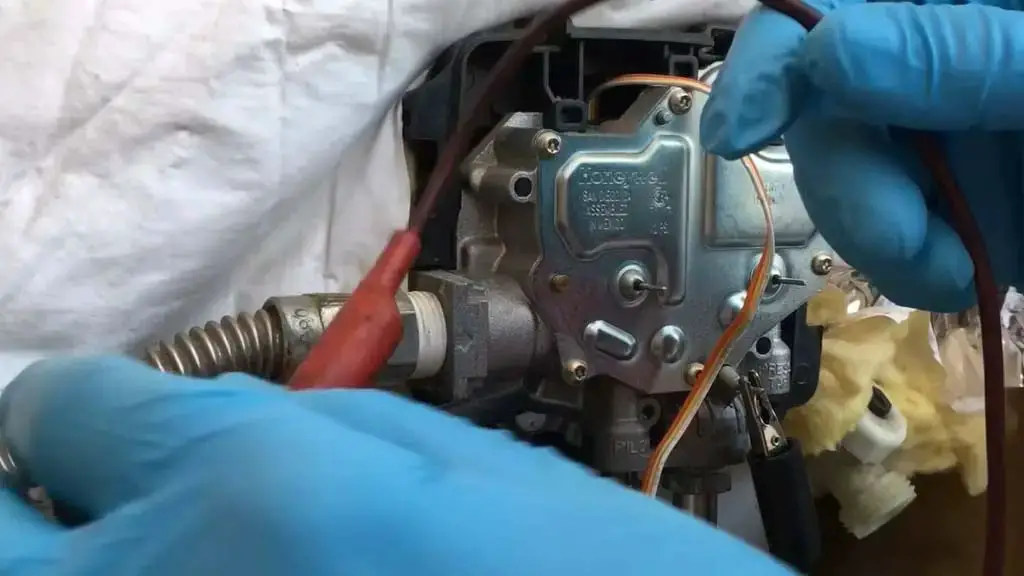
Now, you need to access the control board inside the gas valve. Look at the front plastic cover of the valve. Remove the screw at the bottom. It’s usually a Torx or flathead screw. Next, press down on the plastic tabs at the top and gently pull the cover outward. It won’t flip open; it comes straight out.
Once the cover is loose, you’ll see a set of wires connected to the board. Carefully unplug the connectors. They only fit one way, so don’t worry about mixing them up later. At this point, the control board is exposed and ready for the reset process.
Step 2 – Apply 9V Battery To Reset The Control Board
This is the part that actually resets the fault stored in the board. You’ll need a 9V battery and two small leads or wires. Alligator clips make this much easier, but you can manage without them.
Inside the valve, you’ll see small metal contact points or prongs. These correspond to ground, pilot, and control terminals. Connect the negative terminal of the battery to the ground contact.
Then, briefly tap the positive terminal to the other contacts one at a time. When done correctly, you should hear a clicking sound inside the valve. That clicking is the internal valve actuating, which means the reset signal is working.
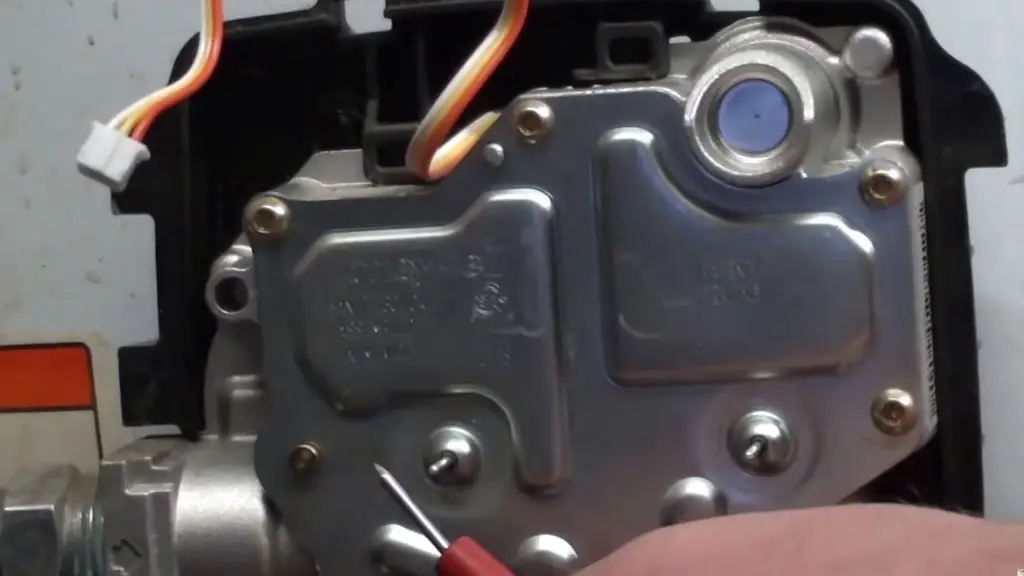
Repeat the tapping process a few times to make sure the board fully resets. What you’re doing here is forcing the control board to clear the stored “overheat fault” that normally makes the valve unusable.
Step 3—Reassemble and Relight the Pilot
Once the reset is done, reconnect the wiring harness back to the control board and place the cover back onto the valve. Secure the bottom screw and make sure everything sits properly.
Now turn the gas back on and relight the pilot. Press and hold the control knob (or the internal brass button that allows gas flow) and use the igniter to light the pilot flame.
Once the pilot is lit, keep holding the button down for at least 30 seconds. This allows the system to stabilize and prevents the flame from going out. You may need to repeat the lighting process once or twice before it holds properly. That’s normal after a reset.
After a successful reset, the status light should return to a normal pattern, typically a single flash with a pause in between.
Step 4—Confirm Reset And Normal Operation
Watch the status light closely after relighting. If it was previously showing four flashes, you might briefly see different codes like two or seven during the reset process. That’s expected.
What you want to see in the end is a steady single flash pattern, which indicates normal operation. If the pilot stays lit and the system begins heating again, the reset worked.
4. Sediment Build-Up in the Tank
The first three problems are generally solved after resetting the gas control valve. But that doesn’t always work when there’s a mechanical failure or other issues in the heater. Now, let’s draw your attention to those issues.
Sediment buildup is one of the most common real-world reasons behind a Honeywell water heater high-temperature shutdown. And the worst part is, it builds up slowly without you even noticing.
Water is never completely clean. It always carries minerals like calcium and magnesium. Over time, those minerals settle at the bottom of the tank and form a thick layer of sediment.
Now this is where things start going wrong. The burner sits at the bottom. It’s supposed to heat the water directly. But once that sediment layer forms, the heat gets trapped underneath it instead of transferring into the water properly.
So instead of evenly heating the tank, all that heat builds up in one concentrated spot. And the system sees that as overheating. That’s exactly what causes a water heater high-temperature shutdown in a lot of cases.
This is not a sudden failure. It’s a slow buildup problem that eventually crosses the limit. And when it does, the heater shuts itself down to protect the tank. There are a few clear signs when sediment is the issue.
- You may hear rumbling or popping noises from the tank. That’s water trying to push through the sediment layer.
- The heater may take longer to heat water than before.
- And most importantly, the shutdown keeps coming back even after you reset it.
That’s your biggest clue. If the reset works temporarily but the problem returns, sediment is very likely involved.
Solution:
If sediment is the problem, resetting alone will never fix it. You need to flush the tank properly. Not halfway. Not a quick drain. A full flush. Here’s a quick rundown on how you can do it:
- Start by turning off the heater completely and shutting off the gas supply. Let the tank cool down before doing anything else.
- Then connect a hose to the drain valve at the bottom of the tank and drain all the water out.
- Once it’s empty, briefly open the cold water supply to stir up and flush out any remaining sediment.
- Keep flushing until the water runs clear. After that, close the drain valve, refill the tank fully, and make sure there’s no air trapped inside.
- Only then should you turn the heater back on. And finally, perform the reset procedure again.
If sediment was the cause, this fixes it for good. If you skip this step, the problem will keep coming back no matter how many times you reset it. Because you’re not fixing the root issue. You’re just restarting a system that’s still overheating underneath.
5. Faulty Thermopile
The thermopile (or thermocouple) is what generates the small amount of electricity needed to keep the gas valve operating. If it’s weak or failing, the system won’t behave consistently.
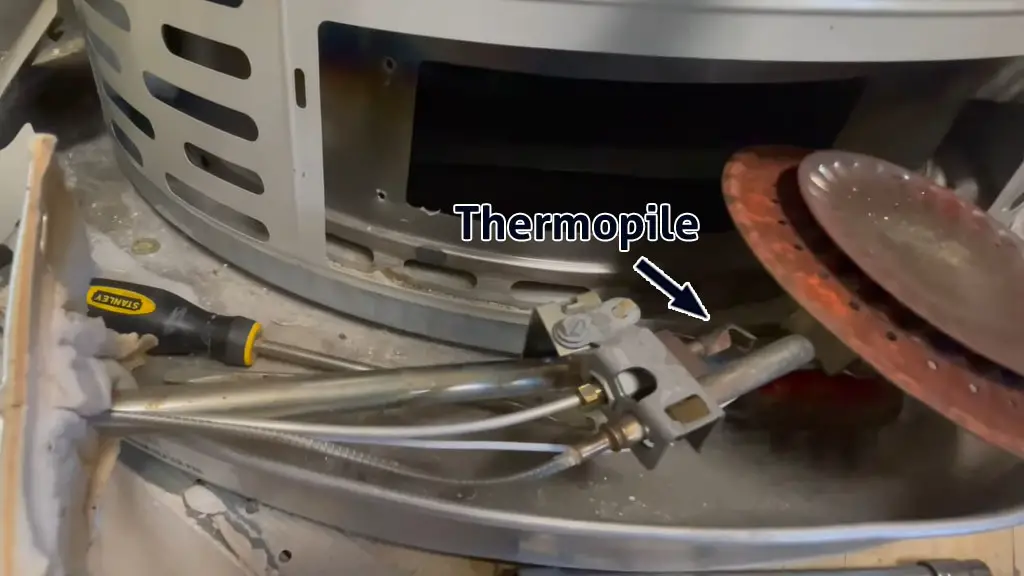
This can create a situation where the heater starts, stops, or shuts down randomly. Sometimes the pilot won’t stay lit. Other times, the system just doesn’t respond the way it should.
And in some cases, it contributes to shutdown behavior that looks like overheating. This is often tied to Honeywell hot water heater high-temperature shutdown complaints, where nothing obvious seems wrong.
Solution:
At this point, there’s no workaround. You replace the thermopile or thermocouple. It’s not the most expensive part, and it’s a much better place to start than replacing the entire gas valve.
6. Dirty Burner or Pilot Assembly
Combustion needs to be clean and stable. If the burner or pilot assembly is dirty, that process gets disrupted. Instead of a strong, clean flame, you get weak or uneven combustion.
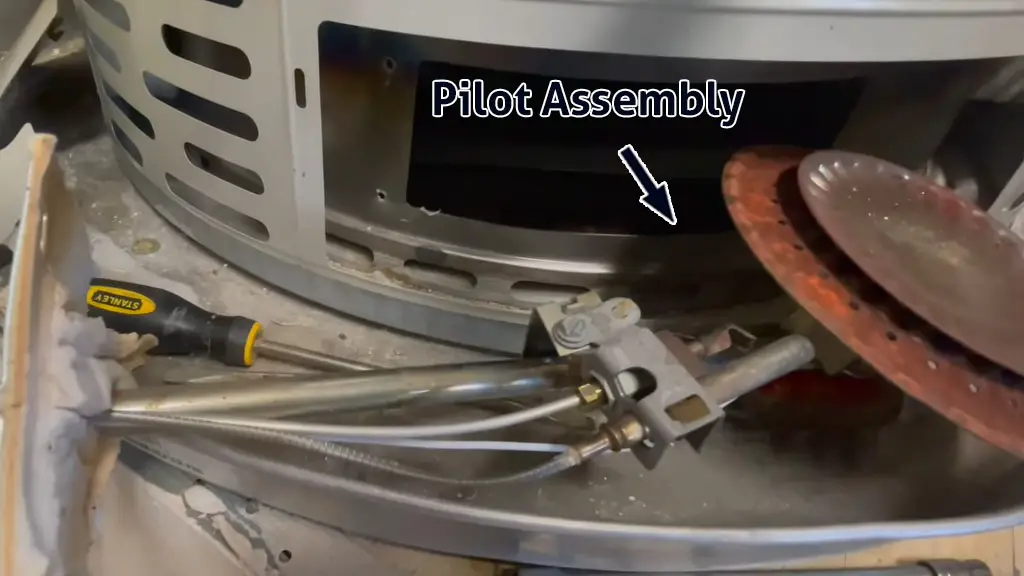
Heat output becomes inconsistent. And over time, that can lead to shutdown conditions. You might notice a yellow flame instead of a clean blue one, delayed ignition, or a burner that doesn’t sound as strong as it should.
Solution:
Clean the burner assembly and the pilot area thoroughly. Remove any buildup, dust, or debris. Once everything is clean, reset the system again and let it run. If it works, then you’ve just solved the problem.
7. Gas Control Valve Failure
This is the one everyone jumps to first. And sometimes, they’re right. The gas control valve has an internal board that manages everything. If that board fails or gets stuck permanently, the system won’t recover, no matter what you do. No reset. No adjustment. Nothing.
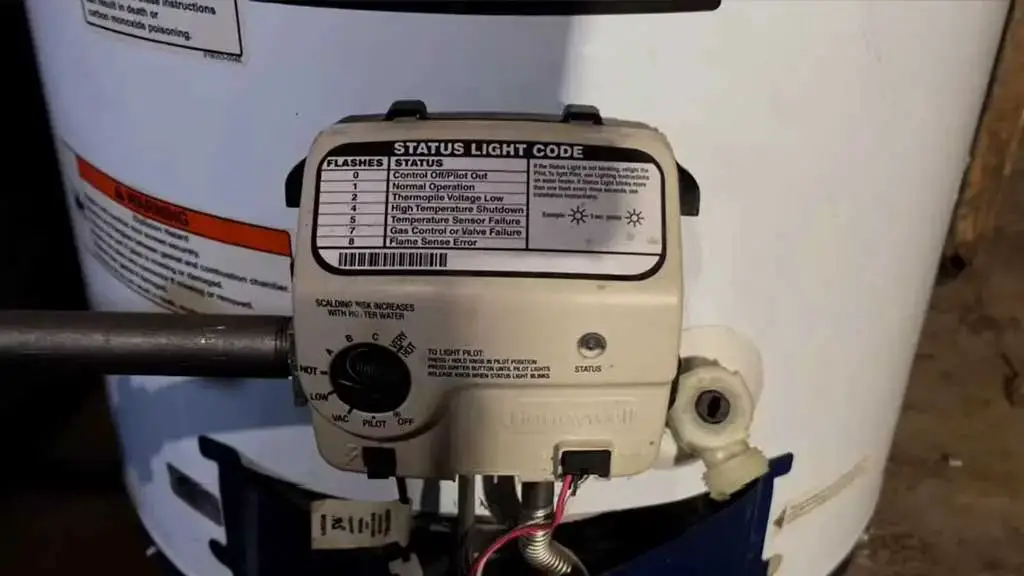
This is what people are referring to when they talk about Honeywell water heater gas valve high-temperature shutdown issues that won’t go away. The signs of control board failure are:
- The reset does nothing.
- The error comes back immediately.
- The burner never ignites.
Solution:
At this point, you replace the gas control valve. Before you do that, check your warranty. If the unit is still within coverage, the part may be replaced for free. But don’t jump to this step unless you’ve ruled everything else out.
How to Prevent a Honeywell Water Heater From High-Temperature Shutdown
Once you fix it, you don’t want to deal with it again. And honestly, most of these issues are preventable. Start with the basics. Keep the temperature at “Hot,” not max. Not “Very Hot.” Just “Hot.” That alone prevents a lot of unnecessary shutdowns.
Next, flush the tank regularly. Sediment buildup doesn’t happen overnight. It builds slowly, and if you stay ahead of it, you avoid a major cause of overheating.
Make sure your vents stay clear. Check them occasionally, especially during winter or after long periods of no use. And finally, keep the burner area clean. Good airflow and clean combustion go a long way in keeping the system stable.
FAQs
What does high temperature shutdown mean on a hot water heater?
It means the system detected excessive heat and shut itself down to prevent damage or unsafe conditions. It’s usually the result of a safety mechanism. The problem with Honeywell heaters is that once they’re set off, it’s hard to reset them.
How do I turn off a Honeywell water heater safely?
Turn the control knob to OFF to stop gas flow immediately. For safety, also shut off the gas supply valve and let the heater cool completely before performing any maintenance or inspection on the unit.
Where is the Honeywell water heater high temperature shutdown reset button?
There is no dedicated reset button on most Honeywell gas control valves. Instead, you reset it using the control knob. Some older units may have a thermal reset behind the lower access panel, but that’s not common.
Why does the high temperature shutdown keep coming back after a reset?
Because the root problem is still there. Resetting only clears the error temporarily. Common causes include sediment buildup, blocked vents, faulty sensors, or a failing gas control valve that keeps triggering the shutdown again.
Is it safe to keep resetting the heater repeatedly?
No. Resetting without fixing the root cause only delays the problem. The heater will keep shutting down, and repeated resets can stress components further, eventually leading to complete failure or more expensive repairs.
Conclusion
Now you know what’s actually going on behind a 4-flash error and how to deal with it properly. In most cases, a Honeywell water heater high-temperature shutdown comes down to a simple lockout, a temperature setting issue, or an airflow problem.
A proper reset usually fixes it without replacing anything. But if the problem keeps coming back, it’s not random. There’s an underlying cause like sediment buildup, faulty components, or a failing gas valve. Once you identify that cause and fix it, the issue stops for good. Check out my guide on resetting Honeywell heaters if you’re interested.